Training and qualifications in the UK
Learning to Sew as an Adult: Where to Start
7 November 2026
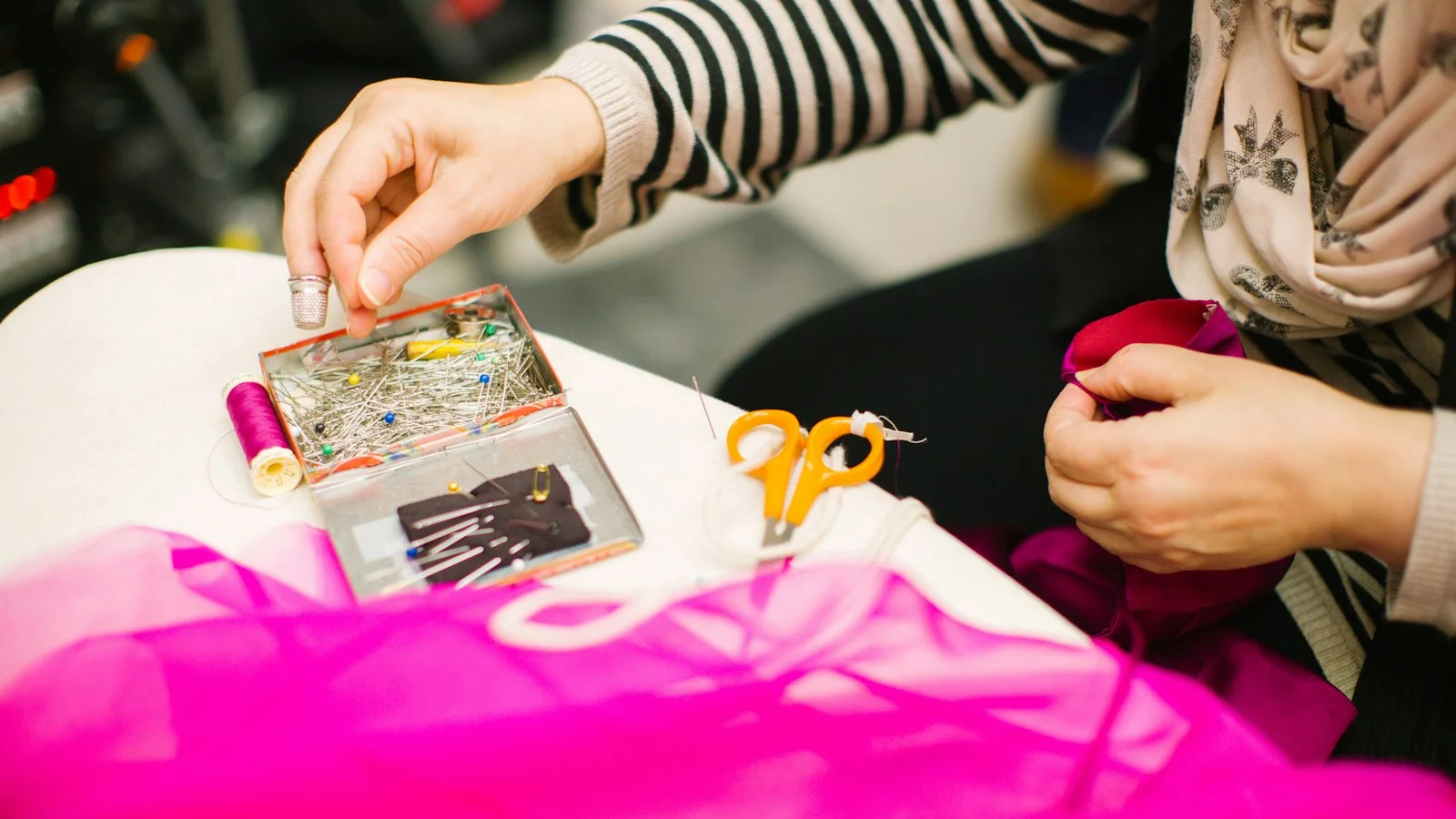
Learning to sew as an adult, where to start is simpler than you might think: one easy project, a few basic tools and someone to show you the basics, whether that’s a local class or an online tutorial. You don’t need an expensive machine or any experience. Whether you want to mend clothes, make gifts or find a new hobby, a small first step is all it takes.
Quick answer: If you’re learning to sew as an adult, start with a simple project, join a beginner class or follow online lessons, choose easy fabrics and practise the basic stitches on scraps. Add a machine when you’re ready, and build your confidence one small project at a time.
Key Takeaways
Pick a simple first project and learn the basic skills it needs.
Council adult learning services are a good place to look for beginner classes.
Choose a machine with simple controls, and try it before you buy if you can.
Cotton is an easy fabric to start with.
You don’t need a qualification for a hobby, but check any course that claims to offer one.
Why Learning to Sew as an Adult Is Worth It
Sewing as a Life Skill and Creative Outlet
Sewing is a practical skill that lets you mend, alter and make things yourself. For anyone who has never picked up a needle, the start can feel daunting, but the right guidance makes it manageable and enjoyable.
Barriers and Myths About Adult Sewing
Many people assume sewing is too complicated, too expensive or only for naturally crafty people. In reality, beginner classes are built for people with no experience, and they move through the skills one step at a time. The key is to start small and go at your own pace.
If you’re worried about cost, you can start with hand sewing and a few basic tools. Second-hand machines are another option, and many online tutorials are free.
Finding Support: Classes, Resources, and the UK Sewing Community
Beginner Sewing Classes and Community Workshops
A class gives you instant feedback and the company of other learners. Council adult learning services are a good place to start: Southwark, Surrey and the City of London all list sewing courses, including courses for beginners. Community centres, colleges and local craft shops may run classes too.
Fees vary a lot. For autumn 2026, the City of London listed a beginner course at £216 a term, with a £75 concession rate, and Surrey listed a six-session course at £251. Ask whether a machine and materials are included, and whether you qualify for a lower fee.
Online Sewing Tutorials for Adults and Digital Resources
If you’re busy or prefer to learn at home, online tutorials are a flexible alternative. YouTube has plenty of free lessons on threading a machine, stitching and reading patterns, and you can pause and repeat anything tricky.
Sewing forums and social media groups are also useful, as you can ask questions and share your progress.
Choosing Sewing Machines and Supplies: What Beginners Need
Choosing a First Sewing Machine
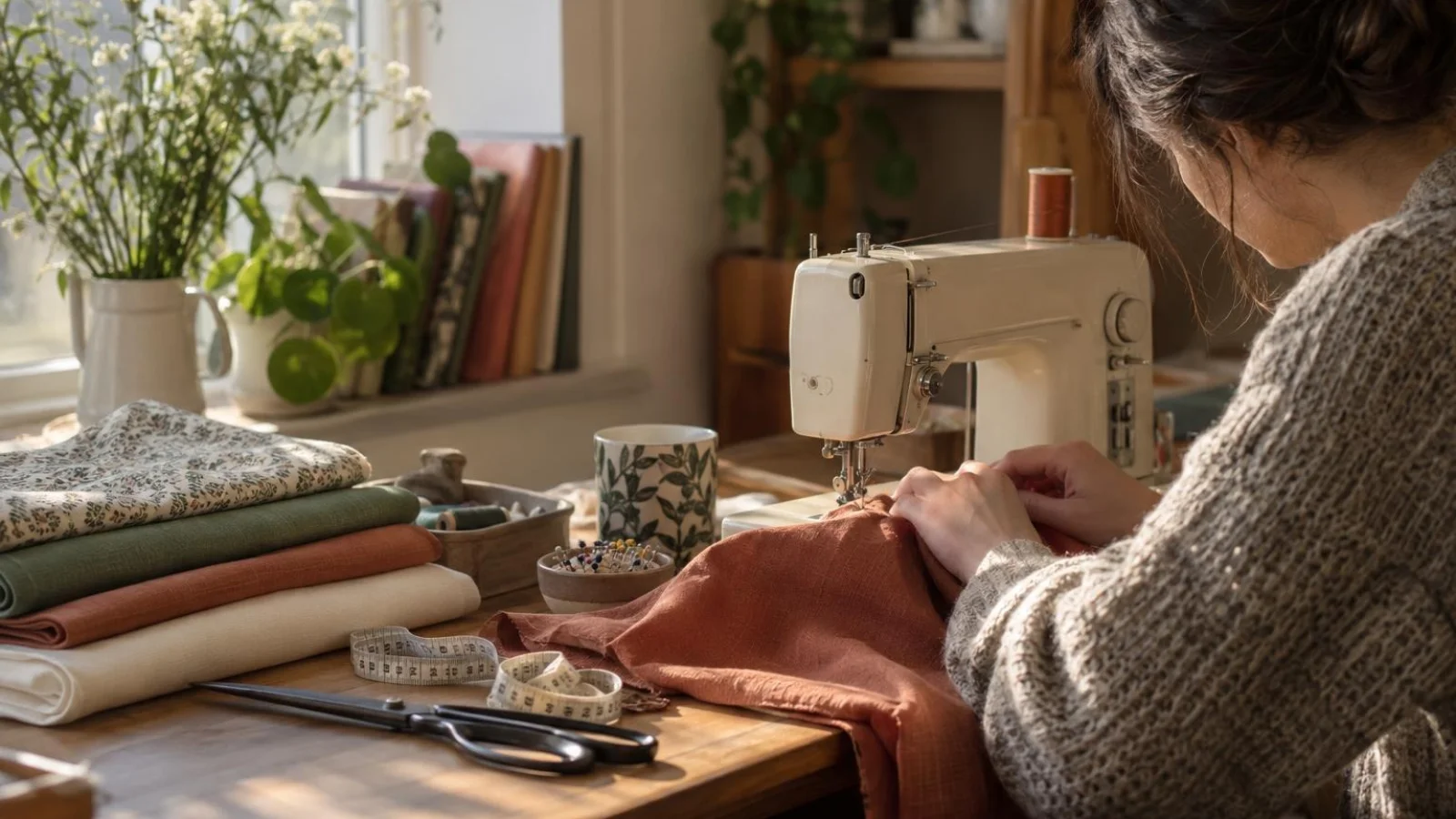
Look for simple controls, a choice of basic stitches and a clear manual. Which? has tested beginner machines from brands including Brother, Janome and Singer, and its reviews are a useful place to compare current models and prices. If you can, try a machine in a shop before you buy.
The price depends on the features, the brand and whether it’s new or second-hand. For a beginner, reliable basics matter more than a long list of stitches you may never use.
Essential Supplies and Where to Buy Them
Beyond a machine, you’ll need sharp fabric scissors, pins, hand sewing needles, a tape measure and a seam ripper. You’ll find these at craft shops, haberdashers and online. Buying from a local shop lets you see and feel the fabric first.
If you’re new to fabric, stick with cotton or polycotton, which are easy to handle. Avoid stretchy, slippery or very thick materials until you’ve mastered the basics. Check whether a starter pack includes everything you need for your first project.
Essential Sewing Item | What Affects the Cost | Why It Matters |
|---|---|---|
Sewing Machine | Features, brand, new or second-hand | Lets you sew faster and more neatly |
Fabric | Fibre, quality and how much you buy | Gives you material to practise on |
Tools (scissors, pins, tape) | Quality, and whether you buy a set | Essential for accurate cutting and measuring |
Beginner Patterns | Printed or digital, and the designer | Guides you through a project step by step |
Classes | Provider, length, and any concession | Gives you structure and support |
What Projects to Start With and How to Avoid Common Mistakes
How to Choose a Sewing Project as an Adult Beginner
Choose something that matches your skill level and that you actually want. Pillowcases, tote bags and elastic-waist skirts are simple choices, because they mostly use straight seams. Patterns marked as easy or for beginners usually come with step-by-step instructions.
Picking a project you’re excited about will keep you going when something goes wrong.
Sewing Techniques for Adults and Mistakes to Avoid
Core techniques include threading the machine, winding a bobbin, sewing straight and zigzag stitches, and finishing seams. Practise each one on scrap fabric before you start your project.
Common mistakes are rushing, ignoring seam allowances, using the wrong needle for your fabric and failing to secure thread ends. Skipping pre-washing can also lead to shrinking or colour running in the first wash. Don’t be afraid to unpick mistakes, as it’s part of learning.
Understanding Sewing Qualifications
Do You Need a Qualification to Sew as an Adult?
No. For a hobby, you don’t need a qualification, and plenty of good sewing classes don’t lead to one. If you want to work in textiles or fashion, a recognised qualification may help, so ask employers what they look for.
In England, Ofqual regulates qualifications, but it doesn’t approve individual short courses. If a course says it leads to a regulated qualification, you should be able to find it on the official register, along with the awarding body.
If you have a question, get in touch with our team.
Frequently Asked Questions
Is learning to sew harder as an adult than as a child?
Not necessarily. Adults can bring patience and a clear reason for learning. Starting with a simple project that interests you makes a big difference.
How do I find adult sewing lessons near me?
Check your council’s adult learning service, local colleges, community centres and craft shops. The National Careers Service also has a free course finder for England.
Can I learn to sew using only online tutorials?
Yes, you can learn the basics that way, especially if you practise as you watch. A class can help when you’re stuck, because a tutor can see what’s going wrong.
What should I look for in a first sewing machine?
Look for simple controls, a choice of basic stitches and a clear manual. Try it in a shop if you can, and put reliability ahead of features you may not use.
How do I know if a sewing qualification is genuine?
Look for it on the official Register of Regulated Qualifications and check that the awarding body matches. Remember that many good hobby classes aren’t regulated at all, and that’s fine.
Paying for a course? Our guide to checking a course covers what to ask about cost, qualifications and cancelling before you book.
Other guides on this site:
how on-site NVQ assessment works
what equality impact assessment training should cover